Discover Kiraku
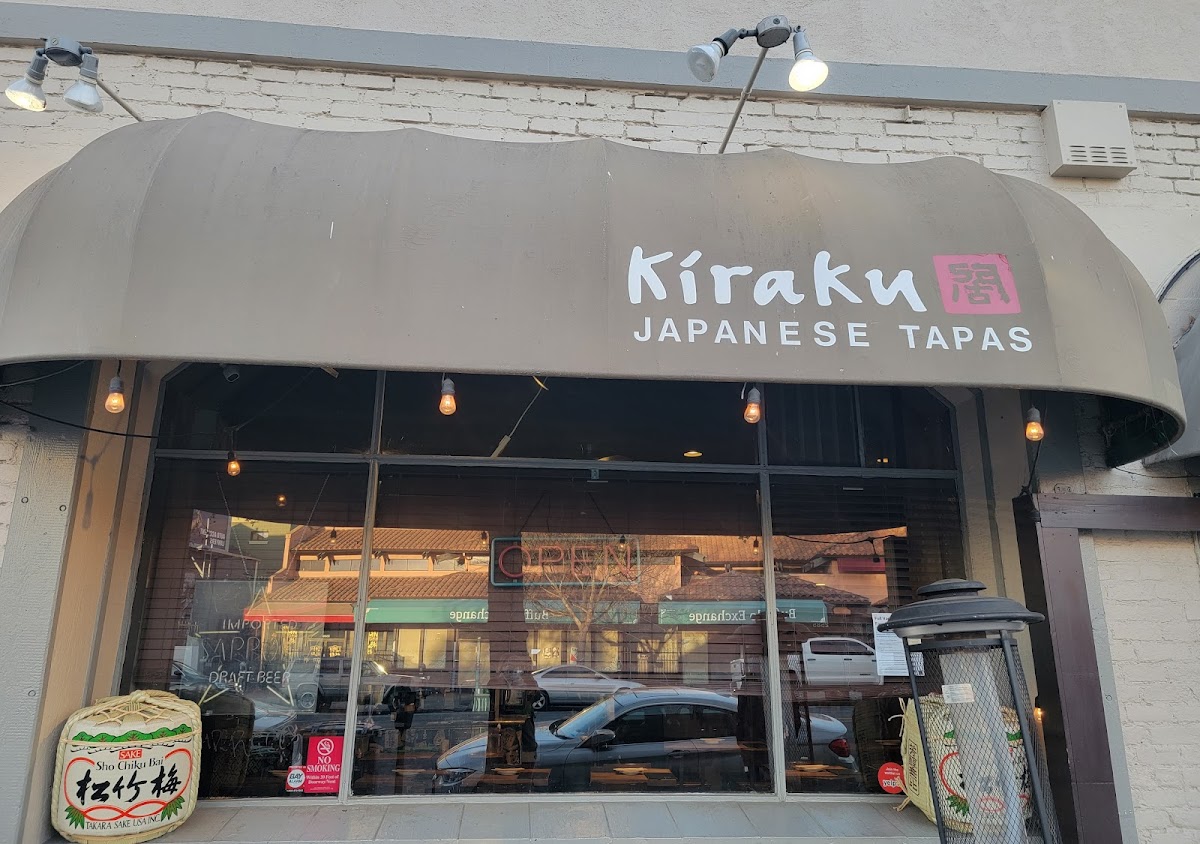
Walking into Kiraku on a busy Berkeley evening feels like stepping into a lively neighborhood hangout rather than a formal dining room. Tucked along Telegraph Avenue at 2566B Telegraph Ave, Berkeley, CA 94704, United States, this Japanese izakaya-style diner has built a reputation over the years for being energetic, comforting, and unapologetically fun. I’ve eaten here more times than I can count, often after long workdays or late lectures nearby, and each visit follows the same pattern: a short wait, the hum of conversation, and plates that make you forget how hungry you actually were five minutes ago.
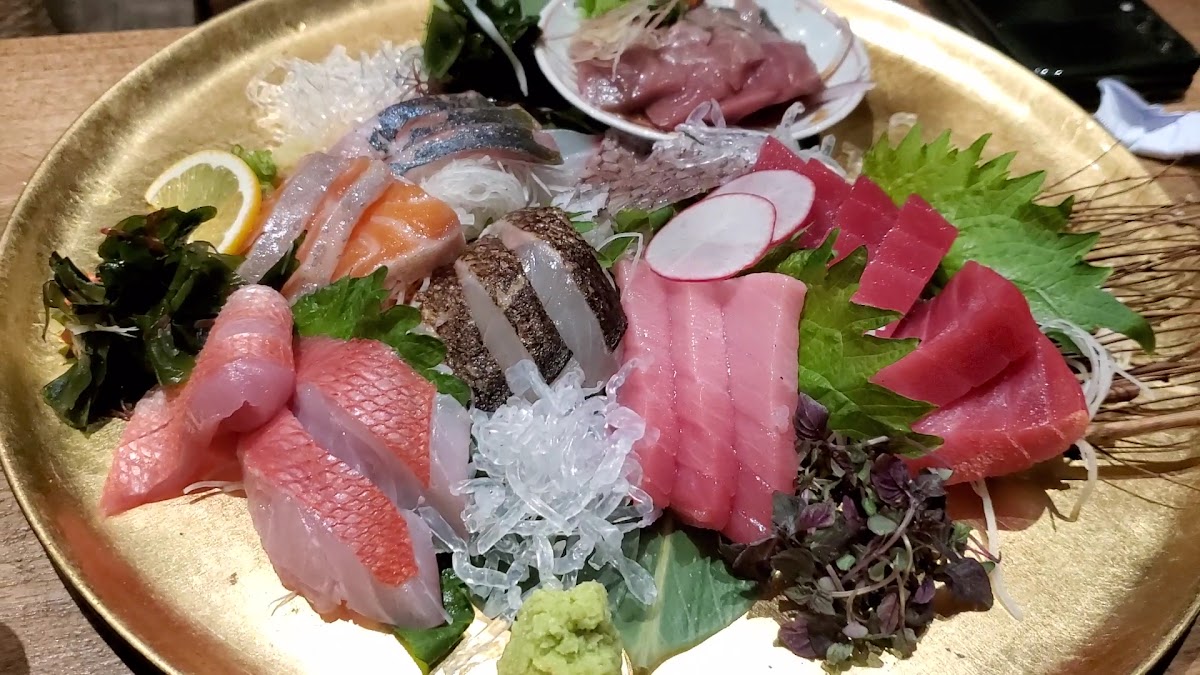
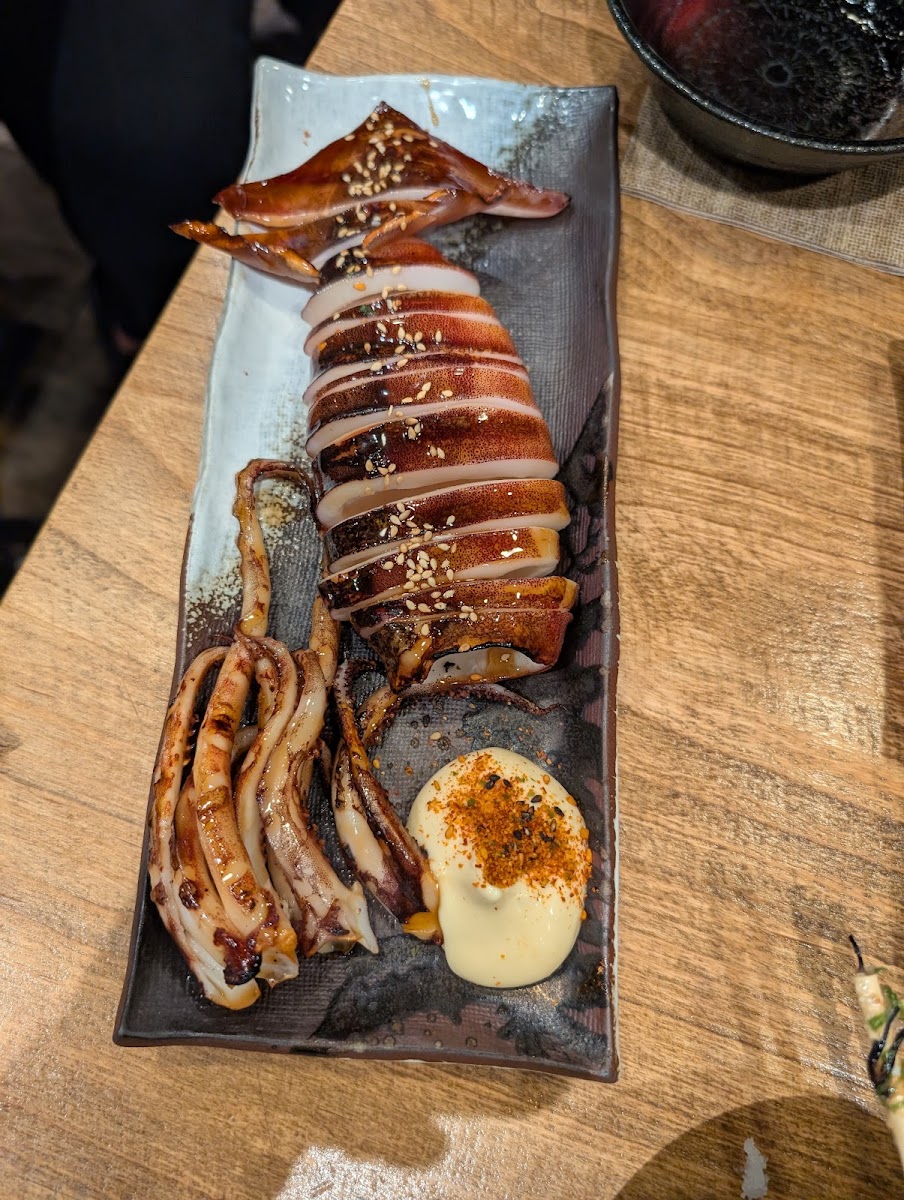
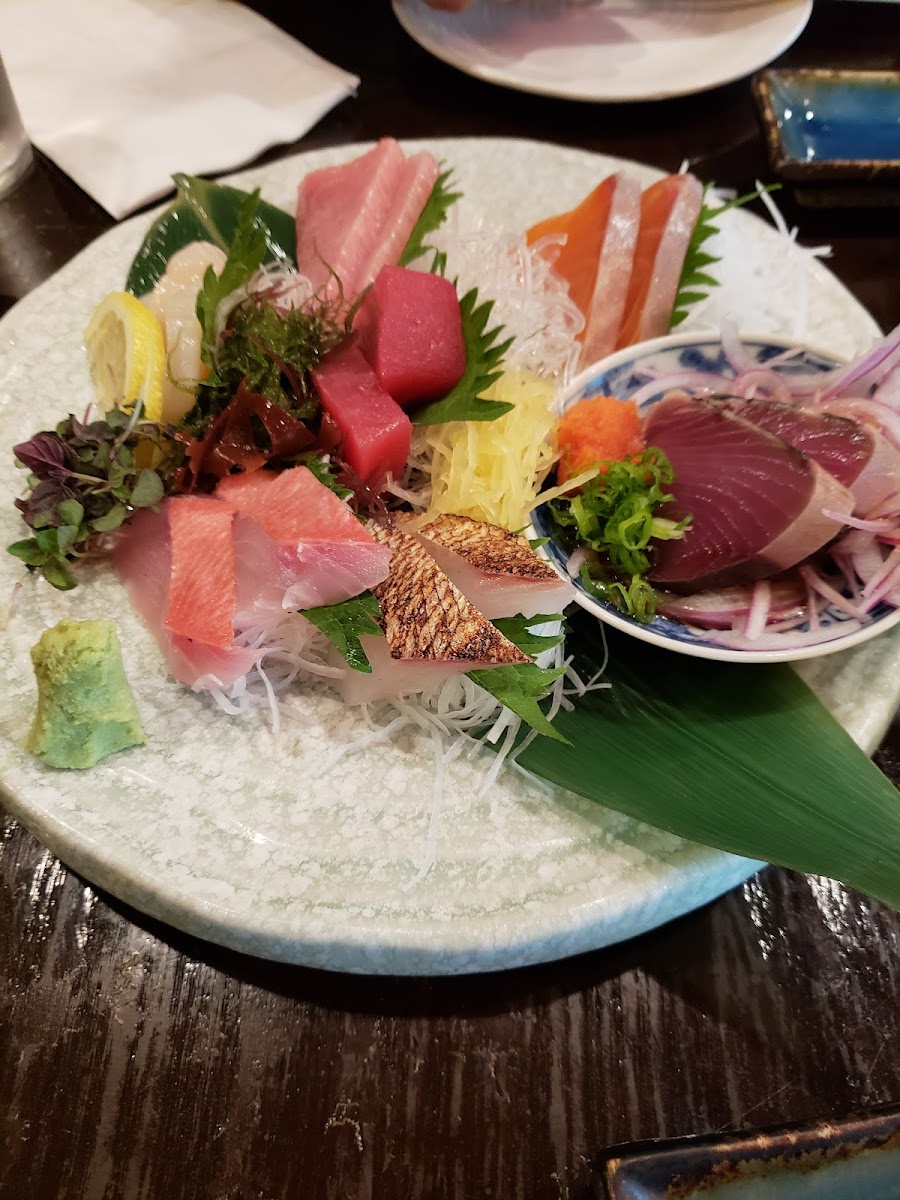
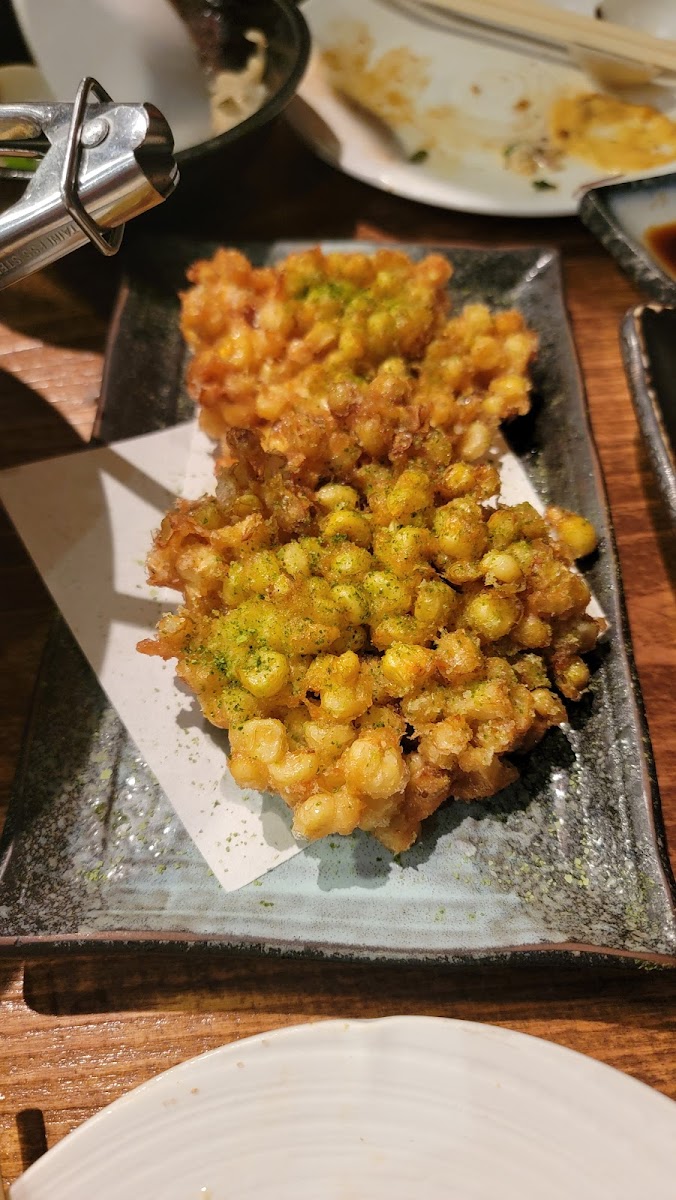
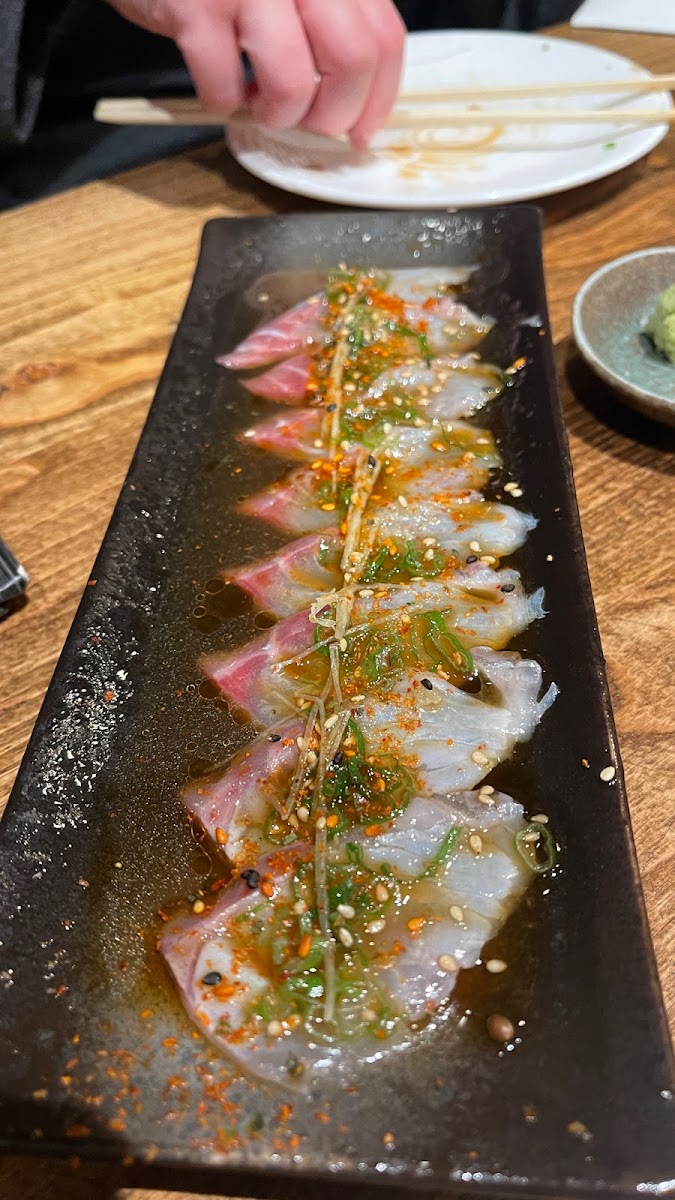
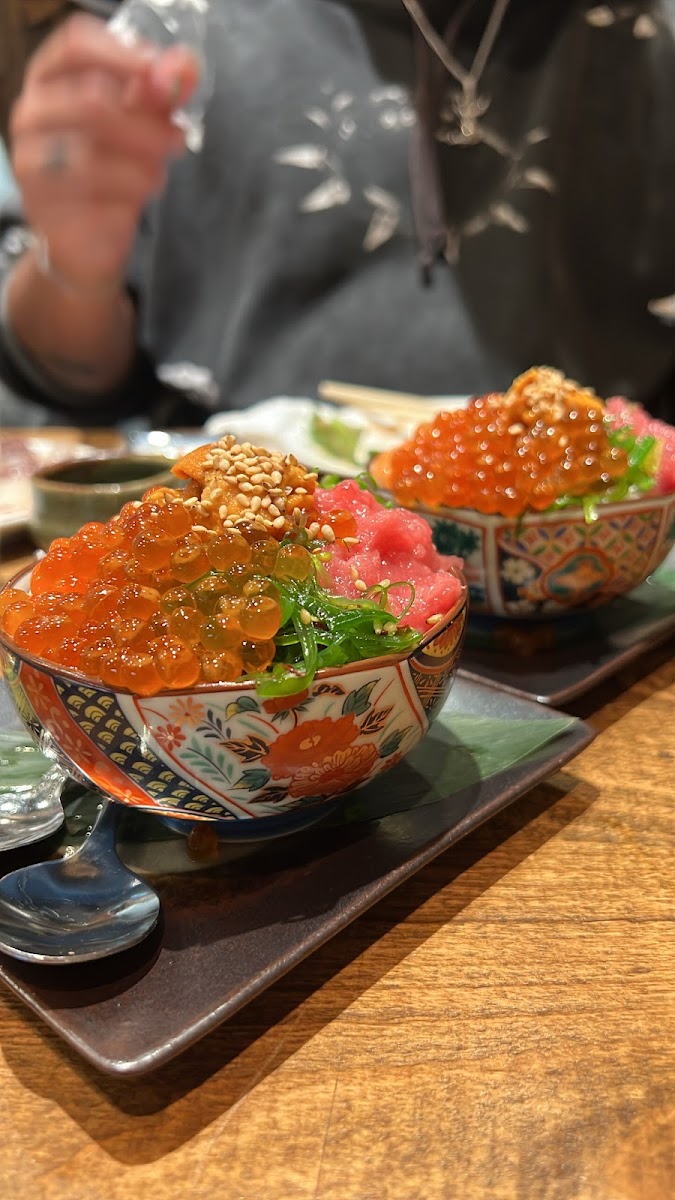
The menu leans heavily into classic izakaya comfort food, which is meant for sharing, sampling, and lingering. Instead of rushing through courses, dishes arrive steadily, encouraging conversation and experimentation. One of the first things I learned from a server years ago was to order in waves. Start with small plates, see what hits the table next, then adjust. That approach mirrors how izakayas operate in Japan, according to food historians from organizations like the Japan Food Culture Association, which notes that this style of dining emphasizes social connection over structure. You feel that philosophy here, especially when plates like agedashi tofu or karaage chicken land in the middle of the table.
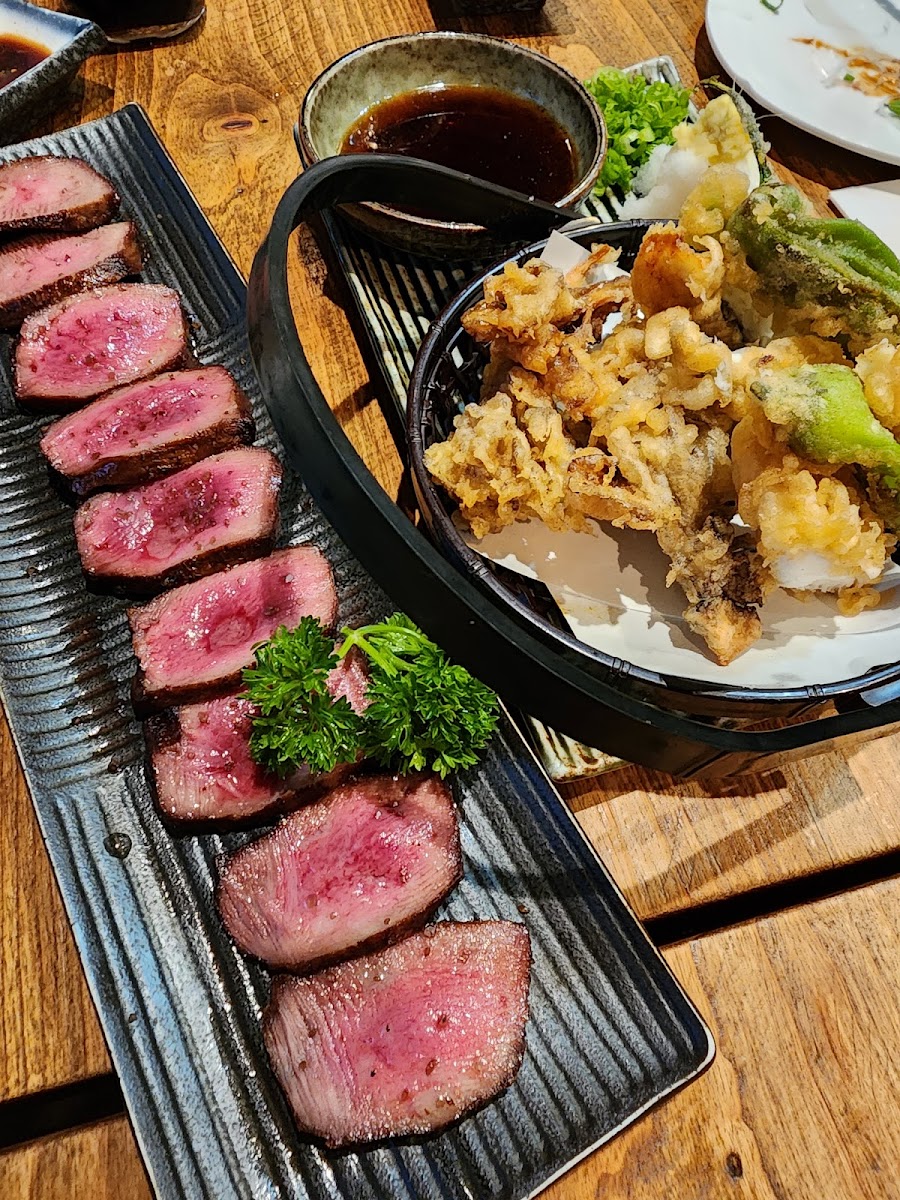
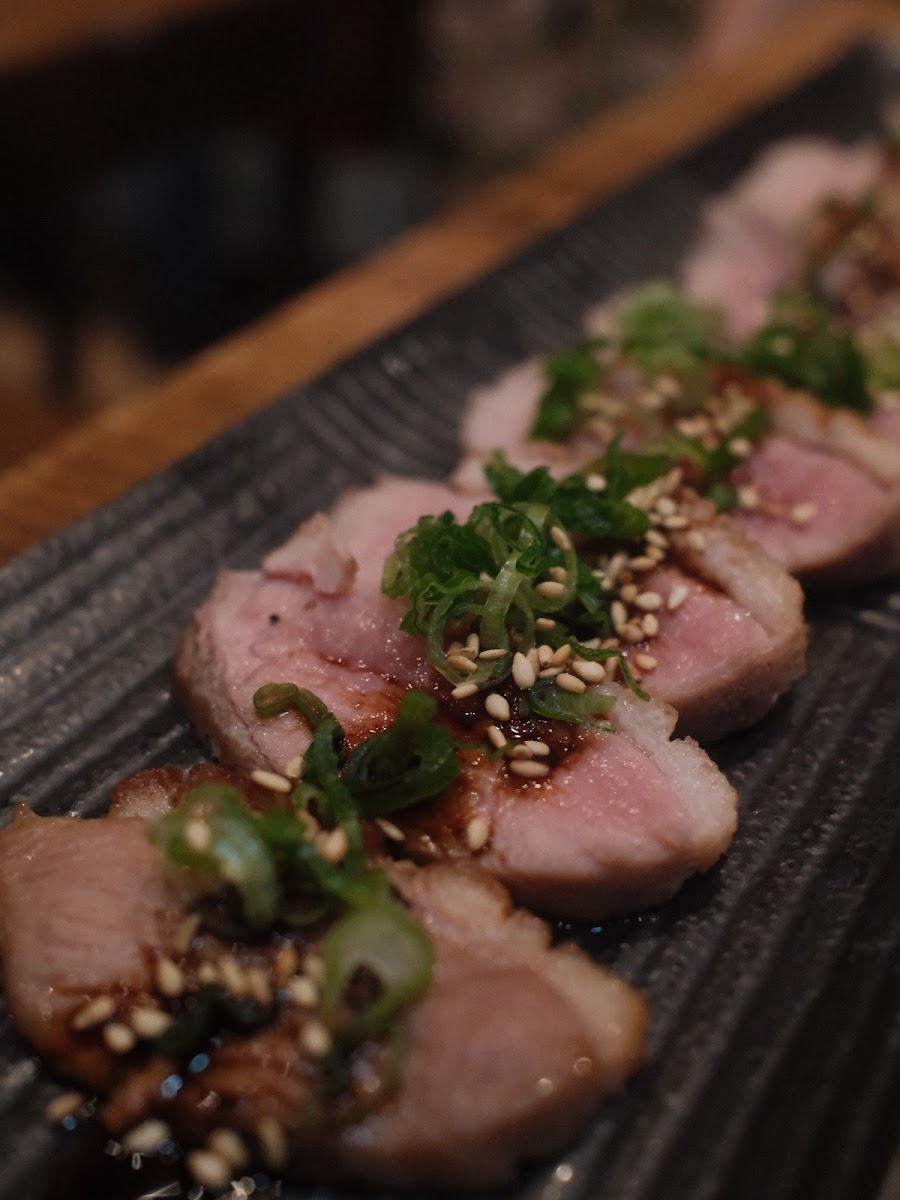
A standout experience for me was introducing a friend who had never tried Japanese comfort food beyond sushi. Watching them react to the sizzling beef tongue and perfectly grilled yakitori skewers was a reminder of why this place gets such strong reviews. Online platforms like Yelp and Google consistently show high ratings, often citing flavor consistency and portion value. While reviews are subjective, the volume of positive feedback suggests reliability, something diners tend to value more than novelty. According to a 2023 National Restaurant Association report, repeat customers are most influenced by consistency and atmosphere, both of which Kiraku delivers with confidence.
What sets this spot apart is the balance between authenticity and accessibility. The kitchen uses traditional techniques, like slow simmering and charcoal grilling, but the flavors never feel intimidating. Servers are usually happy to explain unfamiliar items, and I’ve overheard them walk first-timers through the menu with patience and enthusiasm. That kind of service builds trust, especially for diners exploring Japanese cuisine beyond the basics. The casual environment makes it easy to ask questions without feeling out of place, which matters more than people admit.
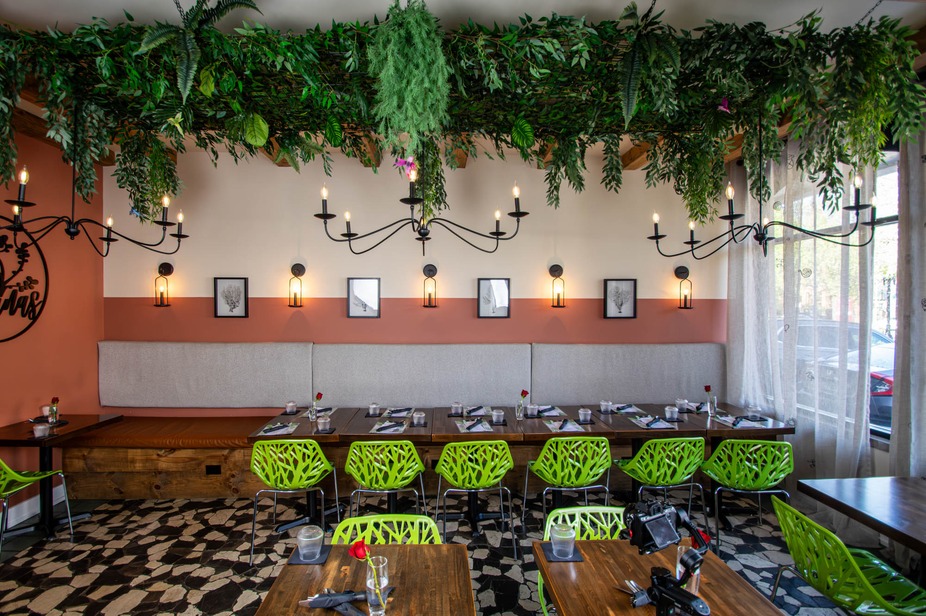
There are limitations worth noting. Seating can feel tight during peak hours, and waits are common on weekends. If you’re looking for a quiet dinner or private conversation, this may not be the ideal location. The noise level is part of the charm, but it’s not for everyone. Still, for those who enjoy vibrant energy and shared plates, the atmosphere enhances the experience rather than detracts from it. I usually recommend going earlier in the evening or later at night if crowds aren’t your thing.
Over time, I’ve come to associate this diner with reliability. The flavors don’t chase trends, and the menu doesn’t reinvent itself every season, which is refreshing. Food scholars often point out that long-running neighborhood restaurants survive by knowing exactly who they are, and this place seems comfortable in its identity. Every visit reinforces that sense of familiarity, the kind that keeps locals coming back and visitors writing glowing reviews that mention words like comfort food, late-night favorite, and authentic Japanese vibes without hesitation.